
Eye Center

Comprehensive eye care from experienced ophthalmology and optometry providers — close to home in Nashville.

The Eye Center at Nashville General Hospital provides expert care for a wide range of vision and eye health conditions. Our team includes both ophthalmologists and optometrists — physicians and doctors trained in medical eye care — who work together to evaluate, diagnose, and manage conditions affecting your sight and eye health. Whether you're coming in for a routine exam, managing a chronic condition like glaucoma or diabetic eye disease, or seeking evaluation for cataracts, our providers take the time to understand your needs and develop a care plan that's right for you. We're proud to serve Nashville and the surrounding community with personalized, compassionate eye care for patients of all ages.

Conditions We Treat

We provide services for:

  • Glaucoma
  • Cataracts
  • Diabetic Retinopathy (diabetic eye disease)
  • Age-Related Macular Degeneration (AMD)
  • Dry Eye Syndrome
  • Eye Infections and Inflammation
  • Refractive Disorders (nearsightedness, farsightedness, astigmatism)
  • Corneal Abrasions
  • Chalazion (eyelid cysts) and Epilation
  • Intravitreal Injections (for retinal conditions)
  • Routine Eye Exams and Vision Screenings
  • Refractions (vision testing for glasses or contacts)

Tests, Treatments & Services

From routine exams to treatment for complex eye conditions, our team is equipped to support your vision health at every stage.

Comprehensive Eye Exams

Thorough exams to evaluate your vision and screen for conditions affecting the health of your eyes — including those you may not yet notice.

Dilated Eye Exams

A dilated exam allows your provider to see the back of your eye clearly, helping detect glaucoma, diabetic changes, and macular degeneration early.

Refractions & Vision Testing

Precise measurement of your vision to determine an accurate prescription for glasses or contact lenses.

Intravitreal Injections

In-office injections used to treat retinal conditions, including certain forms of macular degeneration and diabetic eye disease.

Minor In-Office Procedures

Procedures such as chalazion removal and corneal debridement are performed in the clinic for your convenience.

Surgical Referrals & Co-Management

When surgery is needed, our team coordinates referrals and provides ongoing care before and after your procedure.

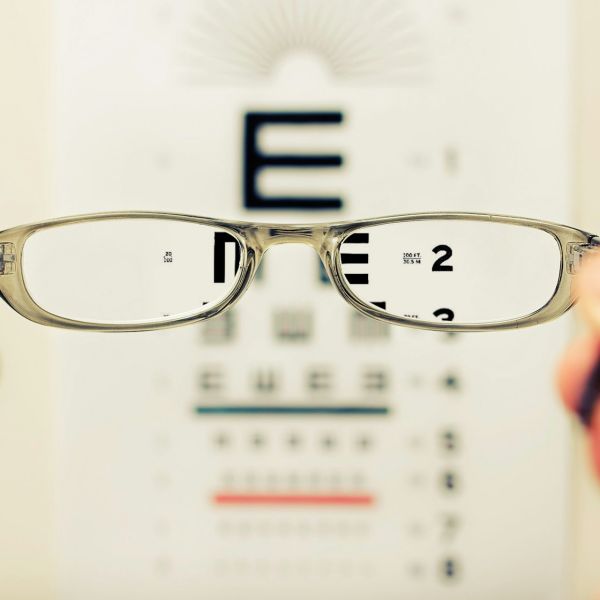
eye exam chart

Why Regular Eye Exams Matter

Many serious eye conditions — including glaucoma and diabetic retinopathy — develop with few or no early warning signs. A comprehensive exam can catch them before they affect your vision. 

Your eyes can also reveal signs of diabetes, high blood pressure, and other conditions. Adults should plan for an exam at least once a year — more often if you have risk factors.

Make an Appointment
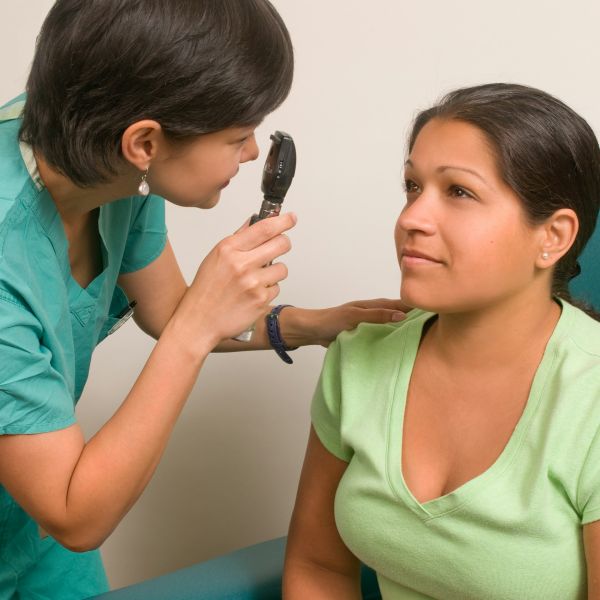
 An ophthalmologist examining a patient's eye with an ophthalmoscope

Managing Diabetic Eye Disease

Diabetes can damage the small blood vessels in the retina — often before you notice any change in your vision. Blood sugar fluctuations can also cause temporary shifts in how clearly you see. 

The NGH Eye Center recommends annual dilated eye exams for all patients with diabetes. Early detection makes a meaningful difference in protecting your long-term sight.

More on Managing Diabetes
sunglasses at the beach

Protecting Your Vision Every Day

Sunglasses that block UVA and UVB light help reduce your risk of cataracts and other eye conditions — even on overcast days, UV rays are still present. 

Extended screen time can cause eye strain, headaches, and difficulty focusing. Our providers can recommend the right protective lenses or adjustments for your lifestyle at your next visit.

Schedule a Visit

FAQs

What should I bring to my eye appointment?

Please bring a valid photo ID, your insurance card, a list of current medications, and any relevant medical records. If you wear glasses or contact lenses, bring those as well — your provider may need to review your current prescription. We recommend arriving 10–15 minutes early to complete any necessary paperwork.

Will my eyes be dilated during the exam?

Many visits include dilation, which allows your provider to see the full back of your eye and check for signs of glaucoma, diabetic retinopathy, and macular degeneration. Dilation drops may cause light sensitivity and blurred near vision for a few hours after your appointment. Plan to have someone drive you home if you are concerned about driving after dilation.

How often should I have an eye exam?

Most adults benefit from a comprehensive eye exam once a year — even if your vision seems fine. If you have diabetes, high blood pressure, glaucoma, or a family history of eye disease, your provider may recommend more frequent visits. Children should have their first comprehensive eye exam before starting school.

Do I need a referral to be seen at the Eye Center?

It depends on your insurance plan. Some plans require a referral from your primary care provider before seeing a specialist. Please check with your insurance company before scheduling, or call our office at 615-341-4170 and our scheduling team will help you find out.

What insurance plans do you accept?

We accept most major insurance plans, including Medicare and TennCare. If you have questions about your specific coverage, visit our Billing & Insurance page or call 615-341-4968 before your visit.

How long will my appointment take?

Most appointments last 45 minutes to an hour, depending on the type of visit and any testing needed. If your eyes will be dilated, plan for additional time for the drops to take effect before your exam.

What should I do if I have sudden vision changes or eye pain?

Sudden vision loss, severe eye pain, new flashes of light, or a sudden increase in floaters can be signs of a serious condition requiring urgent care. Call our office immediately at 615-341-4170 during clinic hours, or go to the nearest emergency department. Call 911 if you are in severe pain or cannot safely travel.

How do I access my medical records or test results?

You can view visit summaries and results through the HealtheLife Patient Portal. Ask our front desk team during your visit to get started with portal enrollment.

How do I cancel or reschedule an appointment?

Please call 615-341-4170 as soon as possible if you need to cancel or change your appointment. We ask for at least 24 hours' notice whenever possible so that appointment time can be offered to another patient.

Locations

Eye Center Main Campus

Hours
Mon - Fri: 8:00 am-4:30 pm
Address

1818 Albion Street
Nashville, TN 37208
United States

Contact
Phone Number

Related Articles

Related Articles